




















During the cold winter days, we naturally yearn for comfort and coziness. We get together with our loved ones, we find our souls looking for meaning and community, and we, almost instinctively, turn to food. Why? Because food, as ordinary as it seems, is one of the deepest expressions of togetherness and comfort.
You might remember the dim lights of an old kitchen, where your grandma or parent cooked something special, not special because of its ingredients, but because it felt it was only made for and to you. Those memories might be only that, ghosts of the past, and this season has a way of calling them back. This season reminds us of how love must be shared to feel higher emotions, outside of the natural realm. Somehow, late in November, food becomes more than nourishment. It becomes love, unity, and identity.
So, as Thanksgiving approached, I began to wonder: How do different cultures express love and unity through food? What do these dishes say about who we are as a nation? I asked friends how their families celebrate, and I found that, from the very beginning, with Indigenous peoples and English settlers, this holiday has been about celebrating difference through the shared ritual of a meal.
And from that question, a bigger one emerged:
How did food become a defining part of the American identity?
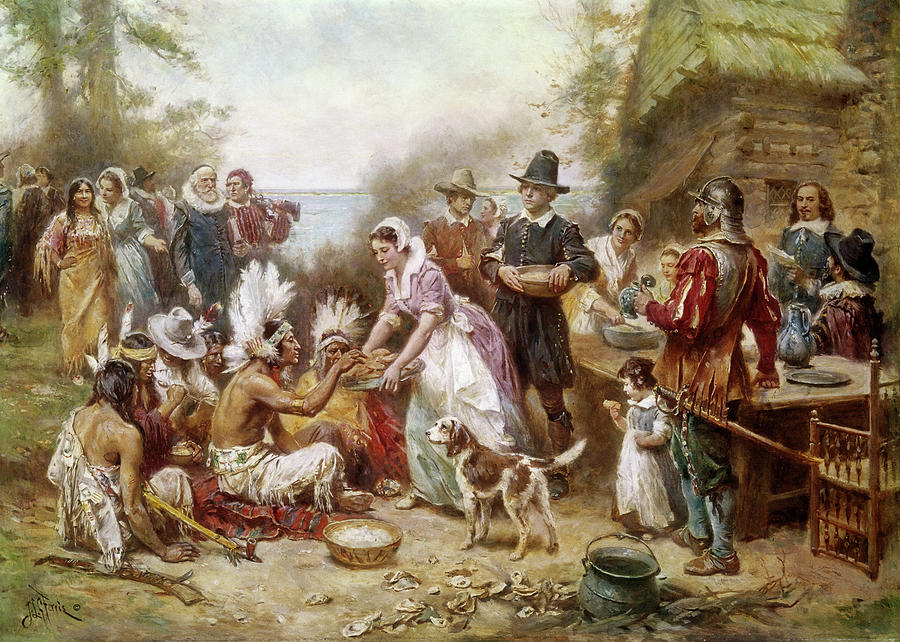
Long before the turkey became the emblem of American Thanksgiving, the first version of this holiday looked and tasted very different. The story as we know goes like this: In November 1621, when the Pilgrims and the Wampanoag gathered in Plymouth to celebrate the first autumn harvest, their table reflected the land they shared. There was food, and plenty of it, but almost nothing resembled what we now imagine. Edward Winslow, one of the English attendees, wrote that the Wampanoag arrived with an offering of five deer, a gift that set the tone for an abundant feast centered on what the land provided. Their meal likely included onions, beans, cabbage, carrots, and leafy greens.
Seafood, surprisingly absent from most modern Thanksgiving tables, played a major role in that 1621 celebration. Mussels were abundant along the New England coastline, easily gathered from rocks, and culinary historians believe they were almost certainly part of the meal. And some of the most iconic “Thanksgiving foods” of today had no place there at all. Potatoes, whether mashed or roasted, had not yet made their way into English colonial diets. Pumpkins and other squashes were indeed eaten by both Pilgrims and Wampanoag, but not in the form of pies. Sadly, there were no buttery crusts, no cinnamon sugar, no whipped cream.
What we now call “traditional Thanksgiving food” is, in reality, a reflection of centuries of storytelling and reinvention, one figure in particular being more responsible than anyone else.
That figure was Sarah Josepha Hale. A writer, editor, and social advocate, Hale spent decades pushing for a national Thanksgiving holiday as a way to unite a divided country. She believed that a shared meal could create a shared identity.
In her 1827 novel Northwood, she described a New England Thanksgiving table: “The roasted turkey took precedence,” she wrote, placing it metaphorically and literally at the head of the table. Through her work as editor of Godey’s Lady’s Book, the most widely read magazine of its time, Hale promoted turkey, pumpkin pie, and other New England dishes as symbols of American tradition.
She was interested in politics and social issues, she wrote letters to governors, presidents, and public leaders, arguing that a national Thanksgiving could bring unity at a time when the country was fracturing. In 1863, during the darkest days of the Civil War, Abraham Lincoln answered her call. His proclamation established the last Thursday of November as a day of national Thanksgiving and reflection, framing it as a moment to “heal the wounds of the nation.” It would take until 1941 for Congress to standardize the holiday on the fourth Thursday of November, but Hale’s dream had already taken root.

Thanksgiving expanded from a New England observance into a national celebration, framing the idea that unity and love should be shared, even, and especially, in moments when the country feels divided. How polarized a nation is can be difficult to measure. Every generation believes it is living through the most divided era in American history. We point to our differences more quickly than to what binds us. Yet, as polarized as a country can become, people still find ways to come together around something as simple and profound as a shared meal.
That is perhaps the genius of Thanksgiving. Even when political tensions, cultural changes, or economic anxieties pull Americans apart, the table becomes a place where those differences soften. And as the country grew, expanding, shifting, and welcoming millions of newcomers from every corner of the world, the Thanksgiving table began to change as well.
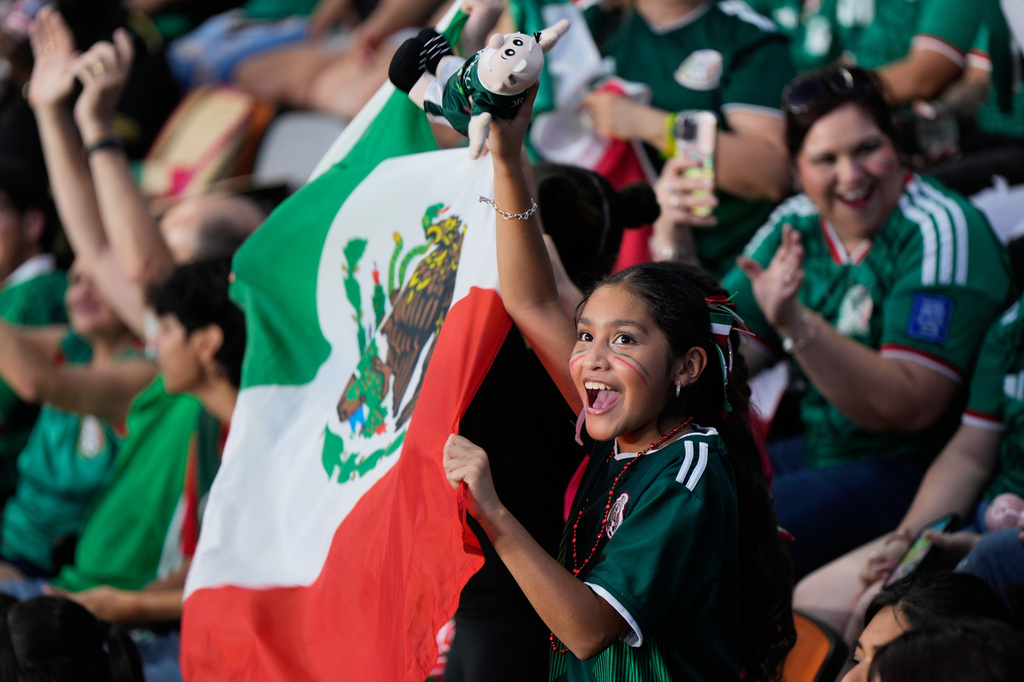
Immigrants reshaped Thanksgiving. They brought their own flavors, traditions, and interpretations of gratitude, transforming Thanksgiving from a New England harvest feast into a celebration of the nation’s incredible diversity.
Throughout history, every new wave of immigrants transformed what Americans ate. Italian families brought pasta, tomatoes, and the comfort of slow-simmered sauces. Germans introduced sausages, baked goods, and the beer culture that shaped countless American celebrations. African food traditions gave us okra, rice dishes, deep-seasoned vegetables, and the foundation of Southern cuisine. Mexican and Central American communities added corn traditions, tamales, salsas, and holiday dishes rich in chile and spices. Asian immigrants brought noodles, fried rice, dumplings, and seasonings that redefined the American palate. Middle Eastern communities introduced lamb, pita, aromatic spices, and a different approach to feasting, one that’s centered on sharing and abundance.
By the late 19th and early 20th centuries, for some households, Thanksgiving meant rice instead of stuffing; for others, it meant pho, lumpia, biryani, empanadas, or plantains. In Texas, Thanksgiving might include brisket, tamales, or Cajun-influenced sides. In New England, seafood still makes an appearance. In the South, mac ’n’ cheese and cornbread dressing are non-negotiable.
Ask ten American families what they eat on Thanksgiving, and you’ll get ten completely different answers, and that’s the point. Thanksgiving became the American holiday not because of a rigid menu, but because of the freedom to make the menu your own.
Immigration didn’t just modify the American table. It is the American table.
This year, when you’re sitting at the table surrounded by the people you love, remember that this season is meant for celebration and unity. No matter how divided the country may feel or how many challenges appear on the horizon, Thanksgiving brings us back to what truly matters. Unity and love are meant to be shared, and they still have the power to shape our future, if we’re willing to let them.
This celebration also reflects the beautiful differences that make Americans who we are. Our dishes may look different, our recipes may come from different places, and our traditions may vary, but there is always a place for everyone at the American table. Just like that warm memory from the past that visits your mind every season, the American table reminds us of our loved ones and the ways they have shaped us and this country.
Happy Thanksgiving!