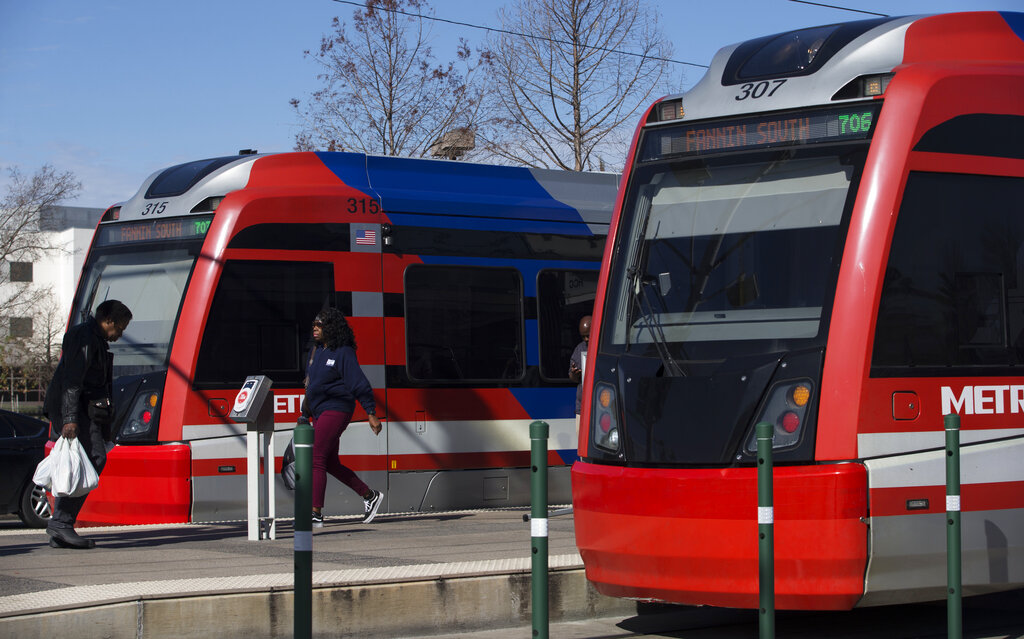
For students without cars, getting to school is not as simple as grabbing their keys and heading to campus. It can mean leaving home hours early, waiting through Houston heat, juggling transfers, and hoping the next bus shows up on time.
Houston is famous for its freeways, traffic, and endless construction, but not everyone has the option of driving. Many students rely on METRO to get to class, work, internships, doctor’s appointments, and home again.
That number appears to be growing.
Recent reporting has shown that hundreds of students are turning to public transportation as part of their daily routine, showing just how important buses and rail have become for young people across the city.
For students balancing classes with jobs and family responsibilities, transportation is more than just an inconvenience. A late bus can mean missing an exam, showing up late to work, or losing valuable time that could have been spent studying.
METRO has made efforts to improve service over the years, and city leaders recently increased transit funding after pushback from residents who argued that transportation needed to remain a priority.
Still, the question remains: is it enough?
For students who depend on public transportation, the conversation is not really about buses or rail lines. It is about whether they can get where they need to go safely, affordably, and on time.
Because when transportation stops working, everything else becomes harder. Getting to class becomes harder.
Keeping a job becomes harder.
Building a future becomes harder.
For the students waiting at bus stops before sunrise or making their final transfer long after class ends, the issue is simple:
Is Houston’s transit system working for the students who need it most?