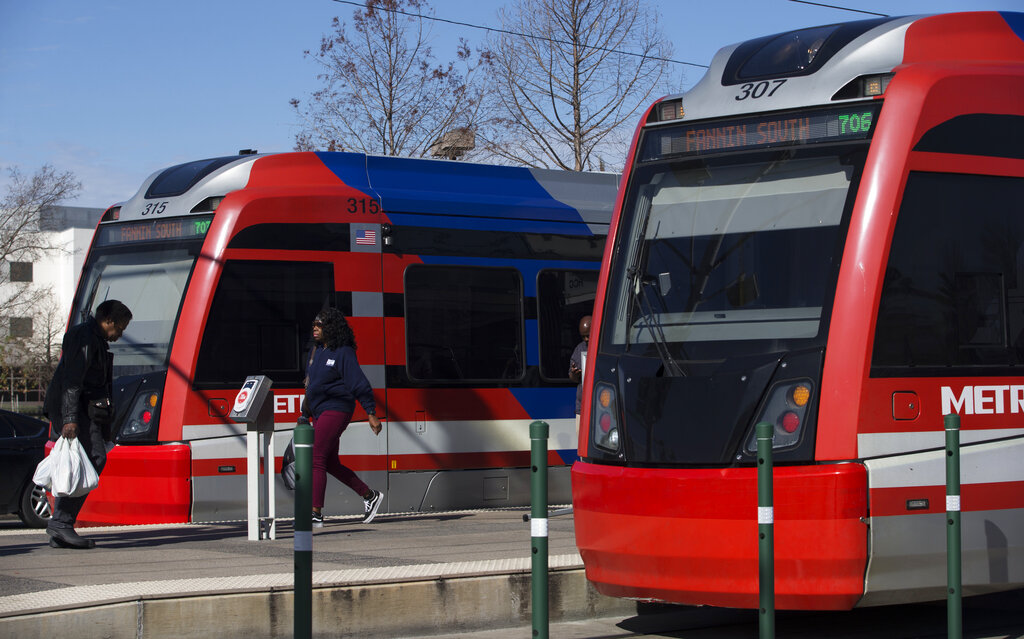












They arrived expecting cowboy boots and oil rigs. What they found instead was a city that speaks a hundred languages before ten in the morning, serves some of the best barbecue in the country, and has apparently introduced half of Europe to a magical culinary discovery: ranch dressing goes on everything.
Houston spent over a year preparing for what Harris County Judge Lina Hidalgo compared to hosting several Super Bowls at once. NRG Stadium, rebranded “Houston Stadium” for the tournament, hosted seven matches between June 14 and June 29, five in the group stage and one in the Round of 32. Tomorrow, July 4th, it hosts its last: a Round of 16 match between Canada and Morocco, kicking off at noon.
Getting there took some doing. FIFA requires natural grass for its matches, no exceptions, even inside a domed stadium built for artificial turf. So NRG’s usual surface was pulled and replaced with sod grown for eighteen months on a farm outside Denver, then shipped to Houston in refrigerated trucks and stitched together on-site. Because the retractable roof blocks most direct sunlight, the field is kept alive under massive LED grow lights shipped in from the Netherlands, meaning the grass a Moroccan striker plays on tomorrow is Colorado-grown and Dutch-lit, on a floor built for the Texans. Somewhere, an agronomist is having the best year of their career.
Eight miles away, the FIFA Fan Festival has taken over East Downtown for 34 days, running June 11 through July 19. It’s free, it livestreams every match played anywhere in the tournament, and it’s built to hold the visitors who never set foot inside the stadium at all. If you live in Houston, you already know this stretch of downtown better than you’d like to, you’ve been rerouting around it since Flag Day.
The festival includes a Space Center Houston collaboration: a 360-degree show inside a structure shaped like a giant soccer ball, which is either the boldest architectural swing East Downtown has ever taken or Houston’s unofficial answer to the Vegas Sphere. There’s also Houston Hall, built to give visitors, in the host committee’s words, “a taste of what it’s like to actually be a Houstonian.“
In EaDo, bars have extended their hours to run from breakfast to midnight, pouring globally themed cocktails, margaritas next to caipirinhas next to Aperol spritzes, for crowds just as international. Participating bars and restaurants around the fan festival have joined what organizers are calling the “Football Fiesta,” a lineup that includes Pitch 25 Beer Garden, Little Woodrow’s, Rodeo Goat, Brothers Taco House, Boo’s Burgers, Koffeteria, J-Bar-M Barbecue, and Eadough. The East End and Magnolia Park, meanwhile, have built a reputation for the loudest, most unmistakably Mexican match-day energy of any neighborhood in the city; a reminder that Houston wears its mixed culture proudly, not as a marketing line but as an ordinary Tuesday.
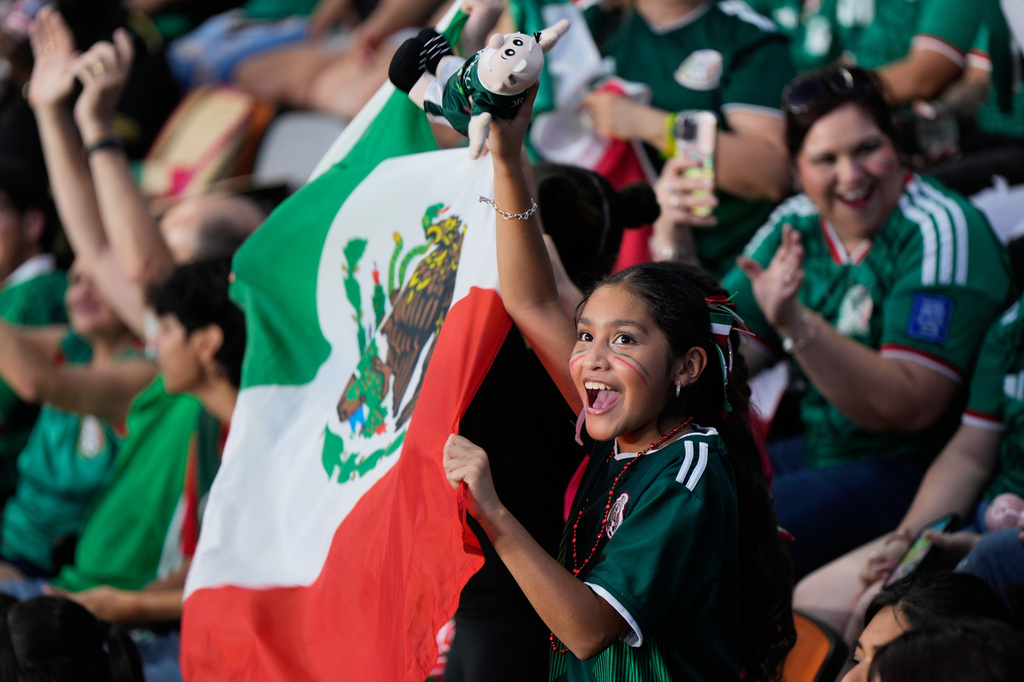
That energy has a lot to do with Mexico’s unexpected and thoroughly entertaining run through the group stage and into the knockouts. On Sunday, July 5, Shell Energy Stadium hosts an official, free “Noche de México” watch party for Mexico’s Round of 16 match against England. The family-friendly event includes large LED viewing boards, stadium seating, and live Spanish-language commentary. Kickoff is 7 p.m. Central. General admission is free, though fans are encouraged to reserve tickets in advance through the Dynamo’s Soccer Celebration page; the last two Mexico watch parties here packed the stadium past 20,000.
Across the city, happiness and pride are seeping out of every corner. Flags draped over shoulders on the sidewalk, a car easing through an intersection with a Mexican corrido loud enough to rattle windows, an air horn that startles every pedestrian within a block and somehow never stops being funny. It’s loud. Some of it’s obnoxious. All of it is happy.
Ryan Webb, a Houston local, summed it up perfectly when asked what the atmosphere has been like: “It’s been very loving, honestly.”
For six weeks, the city has been telling a story about itself to people who didn’t ask for one: cowboy boots optional, everyone welcome, bring your own flag. Whether the visitors who leave after July 19 carry home a different idea of Texas than the one they arrived with is harder to measure than attendance numbers. But strip away the sponsorships, the resale ticket prices, the stadium reflooring, and what’s left is simpler: a few million people from a few dozen countries, standing shoulder to shoulder in the same bars, hugging strangers over the same goals, heartbroken over the same losses. That’s not a miracle. It’s just what happens when people set aside everything that makes them different and choose, for a little while, to be human together.