












Censorship is not a new phenomenon by any means, however in recent years the battle over the propriety of library books has been particularly heated. The American Library Association reports that 2,452 unique titles were challenged in 2024, including popular books by Toni Morrison and John Green. These and similar books are often challenged based on claims of obscenity, LGBTQIA+ storylines or themes of race and social justice. As the debates rage on about what themes are appropriate for certain audiences, libraries continue to face backlash from private groups dedicated to changing the rules about what is allowed on the shelves. But how are those books selected for the shelves in the first place?
Selection of all materials for a library comes under the purview of collection development librarians. According to Sandy Gaw, Library Director at Houston Public Library, the Library Materials Division determines the overall distribution of the types of materials to acquire, based on budget allocations made at the beginning of each fiscal year. Libraries often have their own collection policies, outlining their mission and criteria for selection. The Houston Public Library, for example, outlines that their “evaluation of materials is characterized by flexibility, open-mindedness, and responsiveness to the changing needs of the residents of Houston.”
A vital source for collection development librarians are industry lists. These lists, made by publishers and journals, keep librarians in the know about upcoming titles, while award committees and reviews help to measure their popularity and quality. Although patron requests can certainly be an element in selection, a more reliable indicator of what serves the community is circulation data. The number of times a book is checked out signifies not just its popularity, but also its usefulness for residents of that community. For local libraries, cookbooks and DVDs are often checked out much more frequently than poetry or classic literature.
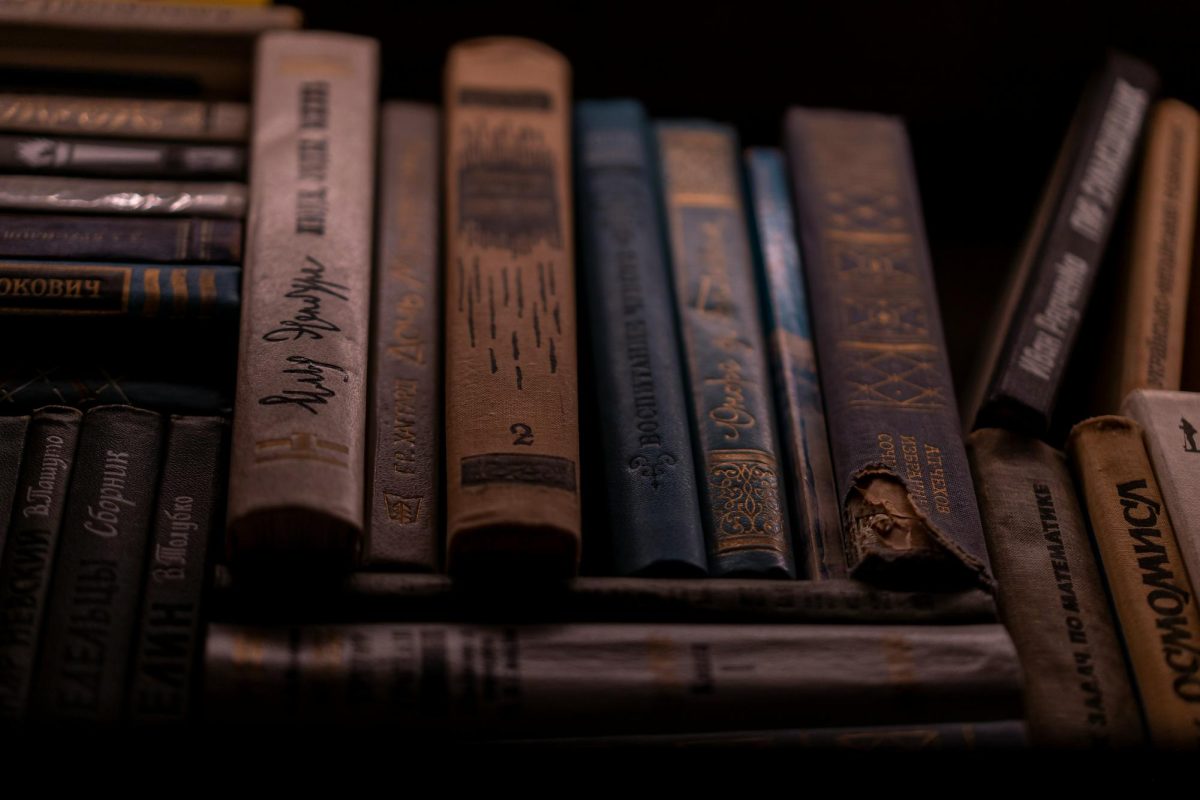
Because their purpose ultimately is to serve residents, local libraries aim to reflect their community’s specific needs. The Houston Public Library maintains a “broad and balanced collection that serves the diverse interests and needs of the community,” according to Library Director Sandy Gaw. This also means filling in the gaps where needed, such as acquiring more Spanish language materials for a community with a large Hispanic population, or more materials on the use of technology for a community with a significant population of senior citizens. Over time, books with extremely low circulation or outdated information are weeded out in favor of newer or more popular titles. For those who love books, the resulting Friends of the Library sales hold a treasure of rejected reading.