







As excitement for the upcoming final season of Stranger Things reaches a peak, I find myself asking the internet a humbling question: “Who is Vecna again?”
Once upon a time, we had a rhythm. A new season every year, twenty or more episodes to binge, and a shared cultural moment to talk about each week. Now, we’re stuck in an era of multi-year waits that leave fans simultaneously anxious, frustrated, and forgetting why they fell in love with the show in the first place.
Too many series have fallen victim to this new reality. Euphoria, Wednesday, Tell Me Lies, The Last of Us, take your pick. By the time the next season actually materializes, the actors have aged, evolved, or quietly booked three other franchises, and we’re left scrambling to binge, rewatch, or frantically Google “Wait… what happened last season?” just to get our bearings.
So really, what gives? Why do we wait years for a handful of episodes when shows like The Office and Gossip Girl produced 20-plus episodes every single year? To understand why patience has become a requirement, we need to look at what upended the industry.
First, the 2020 COVID-19 pandemic didn’t merely delay film production; it brought Hollywood to an unprecedented standstill. Productions froze overnight, schedules crumbled, and expenses spiraled. Even after sets reopened, studios were navigating labyrinthine safety protocols, postponed release slates, and a growing graveyard of unfinished projects. The disruption didn’t fade with time; instead, it fundamentally reshaped how the industry operates. As a result, developing a new show from idea to screen has become increasingly difficult, leaving Hollywood perpetually chasing a momentum it may never fully recapture.
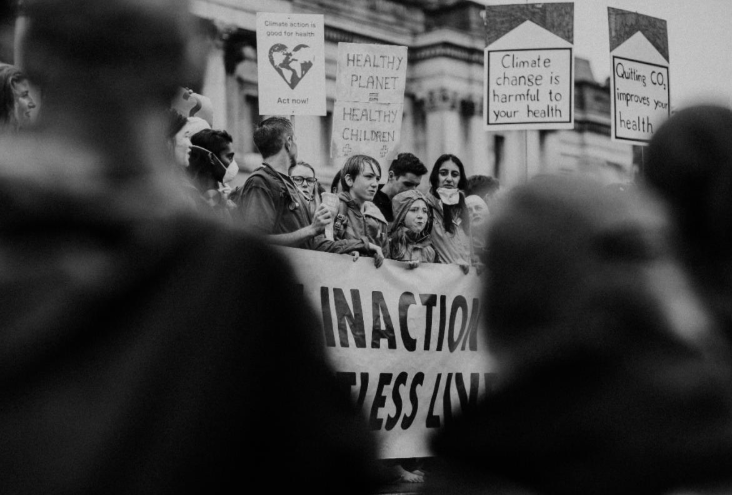
Then came the 2023 writers’ strike, a dark, unforgettable winter in the world of storytelling. For 148 days, writers across Hollywood walked off the job over longstanding grievances: fair compensation in an age dominated by streaming revenue, protection from the accelerating intrusion of A.I., and an end to the so called “mini-room” model—tiny, often temporary writing teams that left many creatives overworked and underpaid.
It was certainly a season of tension and upheaval for agents, producers, and crews still recovering from the pandemic’s chaos. But amid the turmoil, a silver lining emerged—solidarity. Writer-actors like Mindy Kaling and Tina Fey carried signs on picket lines, while others, like Rob Lowe, advocated for writers remarking that “we’re only as good as the writing we get.” After nearly five months, the strike ended, and writers claimed their spoils: higher pay and safeguards against A.I., a hard-won reminder that the stories we love don’t write themselves.
Yet, the burning question remains. Will our favorite shows ever return to a yearly schedule, or give us more than 8-10 episodes per season? If it takes 2-3 years to craft the final product, surely they could manage a few extra episodes, especially when devoted fans are desperate for more Rhaenyra and Daemon scheming in House of the Dragon.
The truth is, producing television today is less about timeliness and more about ritual. Lavish sets, blockbuster-level visuals, and the pressure for streaming-ready prestige have transformed every episode into its own grand event. The once generous 15-plus episode season has unfortunately become a luxury few shows can afford, and networks have learned that scarcity creates hype. Fewer episodes mean higher stakes, more social media buzz, and an illusion of epic storytelling—even if it comes at the cost of continuity and, yes, the occasional cliffhanger that leaves fans gnawing on their own frustration.
In other words, we’re not just waiting longer; we’re witnessing a calculated contraction of storytelling itself, where each episode is polished to a diamond-like finish, but the story-world expands more slowly than our patience can handle. As fans, can we endure it? Well, we’ll just have to. I hope that by the time Rhaenyra Targaryen’s fate unfolds, or Black Mirror drops another warped reflection of our world—I’m holding popcorn, not a cane.